 World Connect News
[ad_1]
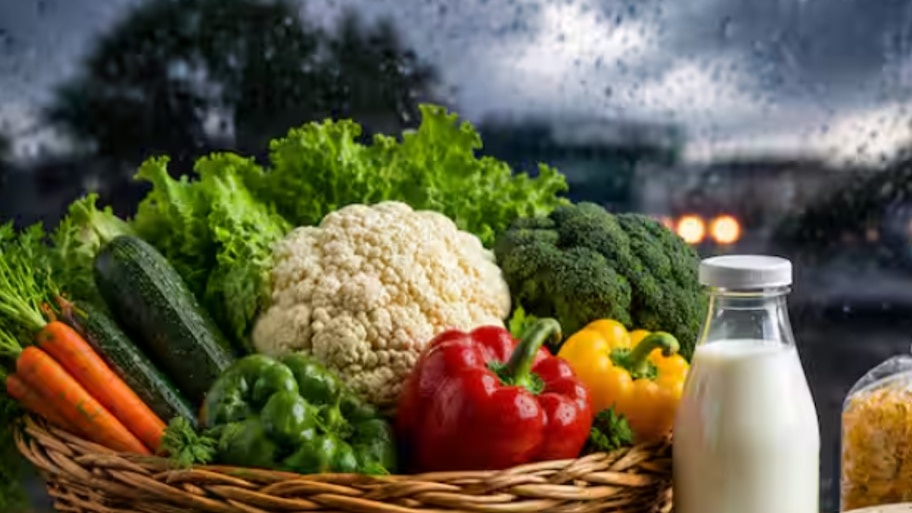
While the ongoing torrential rains, waterlogging and flood-like situations in various states across the country have disrupted life, it is now having a direct and deep impact on the kitchen budget of the common man. Due to continuous heavy rains from North India to Western and Southern states, standing crops in the fields are getting ruined and due to disruption of traffic on major highways, the supply chain of fruits, vegetables, milk and other daily useful items has been badly affected. Due to decrease in arrivals in the mandis, a sudden jump of 30 to 60 percent is being recorded in the prices of green vegetables, due to which retail inflation is expected to flare up further in the coming days.
Crops ruined due to water logging in fields, arrivals in markets reduced
The first and sharpest blow of heavy monsoon rains is on the production of vegetables. In many areas of major producing states like Uttar Pradesh, Madhya Pradesh, Maharashtra, Himachal Pradesh and Karnataka, ridge gourd, gourd, lady’s finger, brinjal, cauliflower and leafy green vegetables grown in the fields have started rotting due to water logging. According to wholesale traders, the work of harvesting and transporting vegetables from the fields becomes extremely difficult during the rainy season. Due to this, a decline of 40 to 50 percent has been recorded in the daily supply of vegetables in big wholesale markets like Delhi-NCR, Mumbai, Lucknow and Kolkata. The direct effect of this huge gap between demand and supply is coming out in the form of huge rise in prices.
The attitude of tomatoes and onions becomes sharp again, prices of green vegetables double
The biggest shock in the vegetable market is coming from the prices of tomatoes and onions. Due to excess rain and fungal disease in major tomato producing areas, production has decreased, due to which tomato prices are once again reaching Rs 60 to 90 per kg in the retail market. Similarly, the prices of onion and potato are also witnessing a rise as there is a delay in transporting the goods from storage to the markets due to rain. Leafy vegetables like coriander, mint, spinach and fenugreek spoil quickly when they come in contact with water, due to which their prices are skyrocketing. In many cities, green chillies which were being sold at Rs 40 per kg, are now being sold at Rs 80 to Rs 100 per kg.
Supply chain and fodder crisis on milk and dairy products
The impact of heavy rains and floods is not limited to agriculture only, but it also has a direct impact on animal husbandry and dairy sector. Due to waterlogging in rural areas, there is a severe shortage of green fodder and the prices of fodder have also increased. Daily milk production has declined due to increased risk of seasonal infections and diseases among cattle in many areas. Additionally, the operating costs of dairy companies have increased due to the additional time and increased logistics costs required for milk tankers to travel from rural collection centers to processing plants in big cities. If this period of rain prolongs, the possibility of increase in retail prices of packaged milk, cheese, butter and buttermilk in the coming weeks cannot be ruled out.
Everyday goods become expensive due to transportation jam and increase in freight charges.
The movement of heavy trucks has slowed down in the hilly and plain states due to landslides, collapse of bridges and water logging on national highways. Trucks are taking two to three times more time than normal to reach their destination. The supply cost of everyday FMCG goods—such as pulses, edible oils, packaged flour, spices, tea leaves, biscuits and soaps—has increased due to diesel consumption and increased freight charges. Wholesale traders say that unless uninterrupted delivery of goods starts, there will be additional financial pressure on the distribution network, the burden of which will ultimately fall on the retail customers.
Threat of food inflation and impact on Reserve Bank policies
Economists and market analysts believe that this seasonal surge in the prices of food items can affect the country’s retail inflation (CPI Inflation). The share of food items and vegetables in the Indian Consumer Price Index is quite high. If prices of vegetables, milk and pulses remain at high levels for a long time, it could lead to a sharp rise in food inflation. This may also impact the interest rate policies of the Reserve Bank of India (RBI), because the central bank keeps a close eye on food inflation data while taking the decision to cut interest rates.
How long is relief possible and what are the precautionary measures taken by the government?
Business experts believe that this rise in vegetable prices during monsoon is usually temporary for a few weeks. As soon as the intensity of rain reduces and the weather clears, prices will start softening due to harvesting of new crops at the local level and smooth transportation to the markets. Meanwhile, consumer affairs departments of the central and state governments are regularly monitoring the mandis to prevent hoarding and black marketing. In many states, preparations are being made to make tomatoes, onions and essential pulses available at concessional rates through mobile vans and government outlets so that the general public can get immediate relief from rising inflation.