 World Connect News
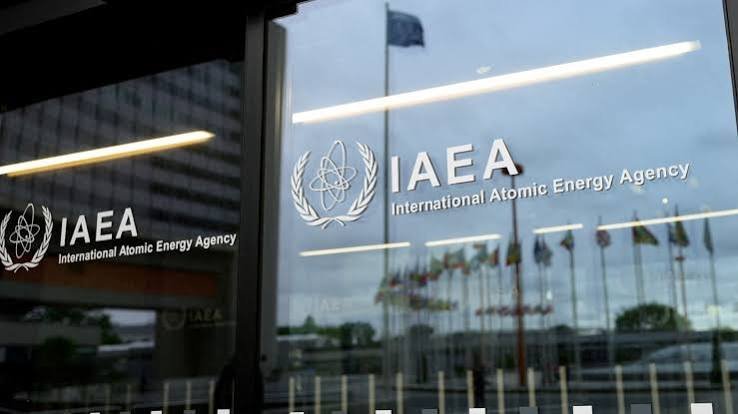
For the first time in two decades, the International Atomic Energy Agency (IAEA) Board of Governors in Vienna formally reported Iran to the United Nations Security Council (UNSC) for persistent non-compliance with its nuclear safeguards obligations. Pushed by the E3 (Britain, France, Germany) alongside the United States, the 23-3 vote marks a severe diplomatic escalation on paper. Yet beneath the dramatic diplomatic headlines lies a stark reality: in an era of fractured global alliances, a referral to New York may deliver little substantive change on the ground.
The Illusion of Enforceable Penalties in New York
A Security Council referral historically functions as the gateway to sweeping multilateral sanctions, asset freezes, and Chapter VII enforcement. Today, that machinery is paralyzed. With Russia and China holding veto power and aligned strategically with Tehran, any draft resolution seeking binding punitive measures faces an immediate dead end. The Council that rallied consensus around Resolution 1929 back in 2010 no longer exists; instead, great-power rivalry guarantees that Western diplomatic pressure will stall inside the chamber.
Blind Spots and Underground Realities in Iran
While diplomats debate procedure in Vienna and New York, the substantive monitoring situation continues to deteriorate. IAEA inspectors have faced sweeping access restrictions following strikes on nuclear installations, leaving Director General Rafael Grossi to warn of a complete loss of “continuity of knowledge” regarding near-weapons-grade uranium stockpiles. Satellite intelligence documenting deep subterranean excavation at Natanz’s fortified sites underscores that Iran’s nuclear footprint is moving further beyond reach while diplomatic bodies draft resolutions.
The Dangerous Escalation Trap Ahead
The referral is far from harmless—it risks accelerating worst-case scenarios. Iranian lawmakers and hardline factions have already framed the decision as political hostility, using it to justify pushing for formal withdrawal from the Nuclear Non-Proliferation Treaty (NPT). Lacking legal pathways for compromise and confronting a deadlocked Security Council, the referral does not constrain Tehran’s nuclear advances; rather, it closes off lingering diplomatic channels and pushes the dispute closer to military confrontation.