 World Connect News
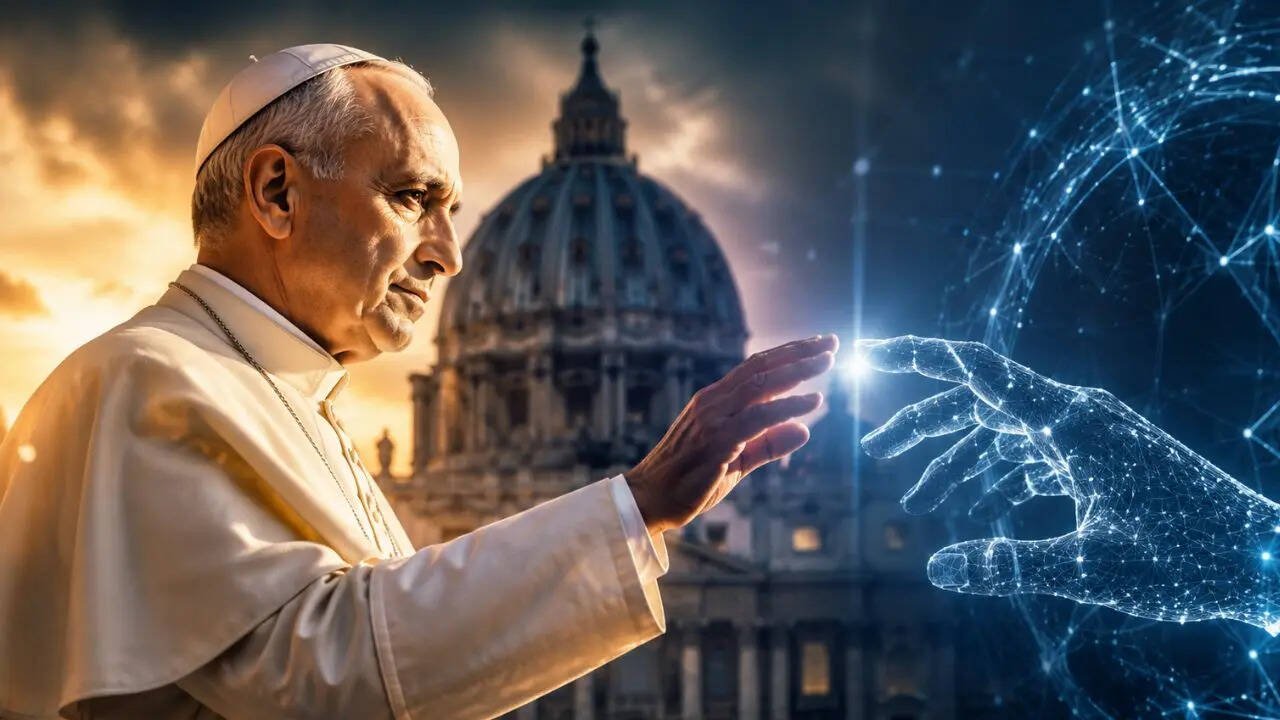
The exponential acceleration of artificial intelligence, autonomous weapons, and cognitive-synthetic models is confronting modern civilization with an existential question: who determines the moral code of machine intelligence? While engineers, venture capitalists, and state regulators scramble to construct procedural safeguards, technical guardrails and bureaucratic compliance sheets cannot substitute for fundamental ethics. To ensure AI serves human dignity rather than eroding it, the global community must look beyond regional legal codes toward an inclusive, universal interfaith moral consensus.
Technological Power Outrunning Philosophical Anchors
Technological innovation has historically outpaced philosophical deliberation, but the divide with AI is uniquely dangerous. Automated systems now arbitrate judicial risk scores, diagnose terminal illnesses, allocate financial resources, and operate autonomous weapon platforms on modern battlefields. Leaving these high-stakes decisions solely to profit-driven commercial laboratories or geopolitical defense competitions risks reducing human consciousness to algorithmic utility. Machine intelligence does not inherently understand conscience, compassion, or redemption; it simply replicates the data patterns of its training environment.
The Power of Shared Spiritual Tenets Across Traditions
Every major world faith tradition—from Hinduism, Buddhism, and Jainism to Christianity, Islam, Judaism, and Sikhism—converges on fundamental metaphysical principles: the sanctity of life, the moral duty of stewardship over tools, empathy for the vulnerable, and the distinction between knowledge and wisdom. While their theological languages vary, their core ethical demands remain unified. An interfaith framework brings millennia of collective contemplation regarding free will, truth, moral culpability, and humility to the governance table, providing deep foundations that temporary political administrations frequently overlook.
Forging Global Guardrails for Machine Accountability
Constructing an interfaith consensus does not mean turning tech regulation into theological dogma; rather, it establishes universal moral boundary lines for AI governance. Key focus areas must include:
-
The Inviolability of Life: Imposing an absolute global prohibition on autonomous lethal decision-making without explicit, continuous human moral responsibility.
-
Truth, Integrity, and Algorithmic Candor: Rejecting deepfakes and algorithmic fabrications that intentionally decompose social trust, truth, and community cohesion.
-
Justice for the Marginalized: Auditing data sets to guarantee that predictive algorithms do not amplify systemic neglect or strip basic rights from underprivileged populations.
Preserving Human Purpose in the Algorithmic Century
True progress cannot be measured solely by processing power, model parameter scale, or automated productivity metrics. The overarching measure of technological civilization remains its capacity to uplift human spirit and defend human dignity. By bridging the divides between secular tech governance and our shared global ethical traditions, humanity can ensure that advanced intelligence remains an instrument of human liberation rather than its final ethical unraveling.