 World Connect News
[ad_1]
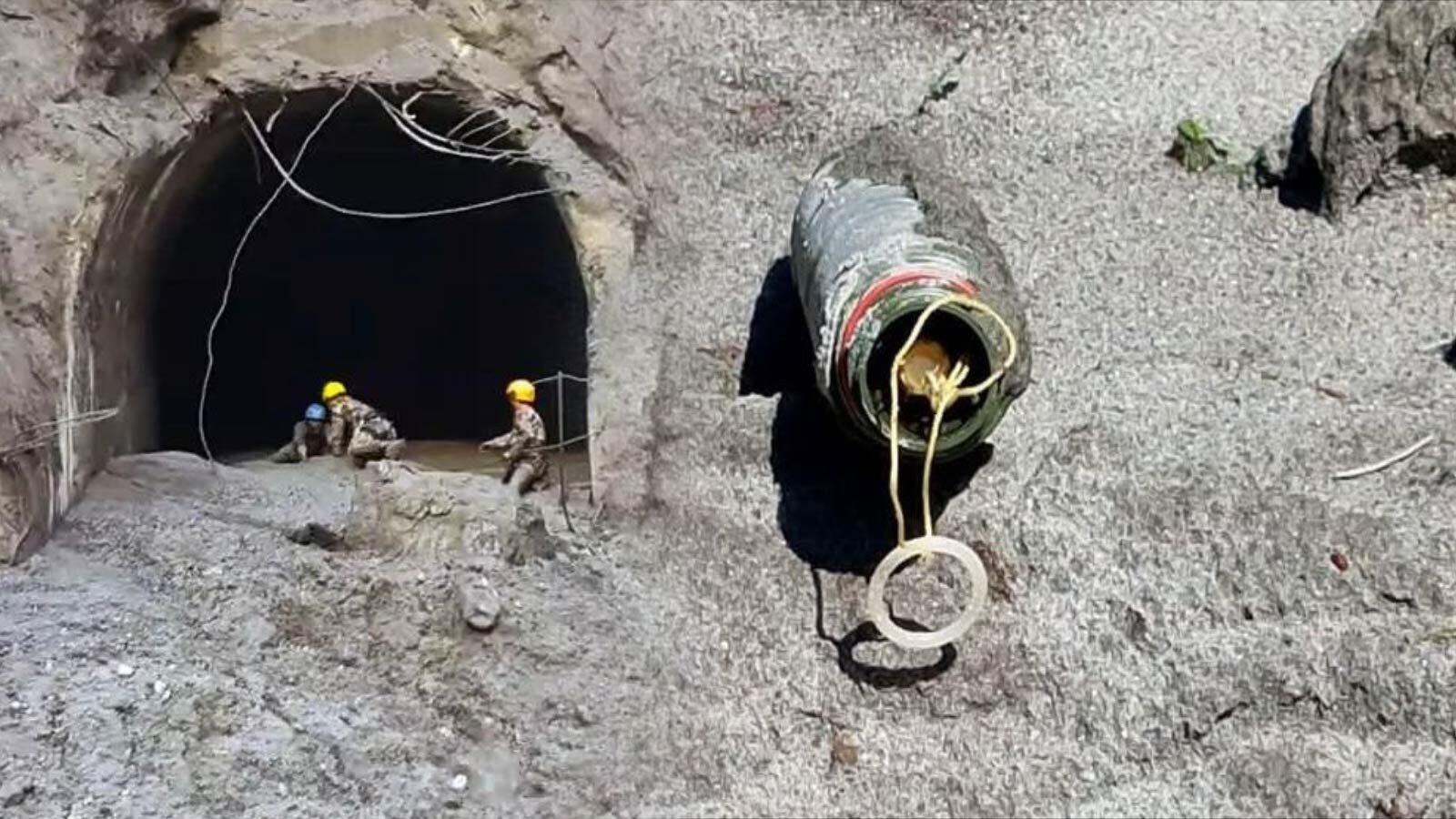
The recent dangerous developments in the mountainous areas near the border of Nepal and China and around the Trishuli and Bhotekoshi rivers have created a stir in diplomatic circles. Amidst the severe natural disaster and sudden flood in Nepal, incidents of explosives and landslides in the border areas have created a new controversy. Nepali experts and geologists have directly raised serious questions on China’s functioning and the indiscriminate construction work going on near the border. Here is a detailed report on this sensitive geopolitical and environmental issue in line with Google Discover guidelines, modern AEO, SEO, and Generative Engine Optimization (GEO) standards.
Construction works and explosives game in border areas
The Himalayan regions bordering Tibet and Nepal have always been known for their geographical sensitivity. For some time now, there have been continuous reports of use of explosive materials in large quantities in the name of infrastructure development in this area. Experts say that controlled explosives are being used indiscriminately to cut hills and divert rivers near the China border. The remains of explosives found on the banks of Trishuli and other rivers associated with it have confirmed that large-scale activities were going on here without caring about the environmental impacts, due to which the mountains here have become more weak and unsafe.
Nepali experts’ sensational and serious claim on dragon
After this complete devastation and the evidence found on the banks of the river, many senior experts and environmentalists of Nepal have directly targeted the dragon i.e. China. Experts claim that the heavy rock cutting being done by China across the border and tampering with the natural flow of the river has invited this disaster. Due to these repeated artificial explosions in the mountainous areas, not only the geological balance has been disturbed, but the rivers have also started deviating from their course. Nepali experts say that if these activities are not stopped in time, then Nepal may have to face an even bigger environmental and humanitarian crisis in the coming days.
Increased danger and possibility of flood along the banks of Trishuli and Bhotekoshi rivers
Clouds of danger are constantly looming in the Trishuli and Bhotekoshi river valleys due to geographical upheaval and the impact of explosives near the China border. According to experts, when explosions are carried out to weaken the mountains, then during light tremors or monsoon rains, the entire mountain cracks and sinks into the river, thereby forming artificial lakes. Sudden bursting of such lakes causes inundation of water in low-lying areas. The destruction seen recently in the coastal areas of Trishuli river is believed to be a result of this series, due to which there is an atmosphere of great panic among the local citizens.
Question on Nepal government’s silence on diplomatic and strategic front
After this entire incident, a heated debate has erupted at the local level and in the political circles of Nepal whether the country’s sovereignty and environment are being compromised. Carrying out such activities by foreign forces in border areas and not giving timely information to the local administration is being considered a major security lapse. Experts suggest that the Nepal government should immediately raise this issue with China at the diplomatic level and conduct an independent investigation into all suspicious construction and explosive-based projects going on in the border areas.
Strict steps needed for environmental balance and future security
Playing with the delicate ecology of the Himalayan region could prove costly for the entire South Asia in the times to come. These facts revealed near Trishuli river have proved to what extent destruction of nature in the name of development can prove dangerous. If the warning is not heeded in time and these cross-border activities are not curbed, then Nepal will have to face such natural and man-made disasters again and again. The demand of the people of the country and the environmentalists is that the government should take strict steps in the public interest and put the truth of this entire matter before the public.