 World Connect News
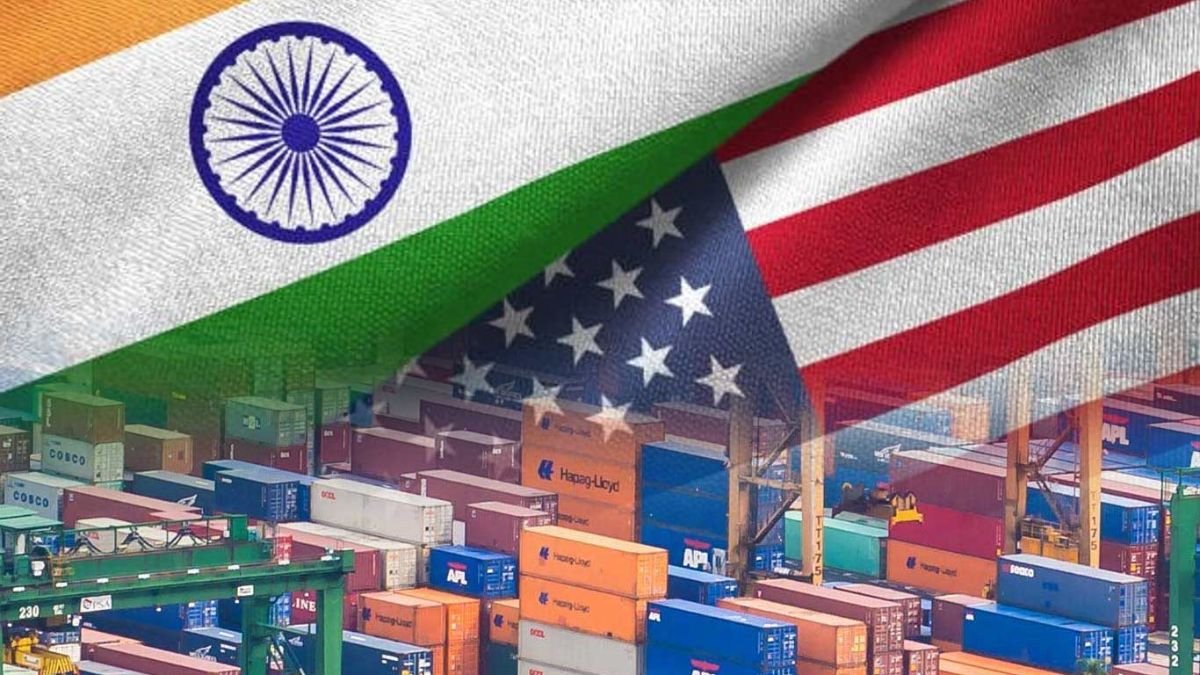
At a critical juncture in the global economy, the proposed trade pact between India and the United States is now under close scrutiny. The two countries have set an ambitious target of reaching $500 billion in bilateral trade, but geopolitical and ground-level policy challenges pose a significant obstacle to achieving this landmark deal.
$500 billion mega-goal and business direction
A $500 billion bilateral trade blueprint has been drawn up to elevate the economic partnership between New Delhi and Washington. The aim is to strengthen supply chains and boost investment in high-tech and energy sectors. However, market experts believe that achieving this level will require significant relaxation of tariff structures and stringent market access rules by both sides.
Russian oil crisis and Western pressure
India’s purchase of Russian crude oil at discounted rates remains a key issue at the heart of this deal. The US administration has consistently urged India to reduce its dependence on Russian energy resources. India has made it clear that its energy security and controlling domestic oil prices are its top priorities. On the geopolitical front, India’s independent foreign policy has become a major test of its balance in trade negotiations.
Indian farmers’ concerns and agricultural market trends
The agreement’s proposal to open Indian markets to US agricultural products is causing concern for local farmers. Agricultural producers in Punjab, Haryana, Uttar Pradesh, and South India fear that imports of cheap and subsidized agricultural products from the US could impact India’s local market. Farmers involved in dairy, corn, and fruit and vegetable production, in particular, are skeptical of the agreement’s provisions and are demanding protective measures from the government.