 World Connect News
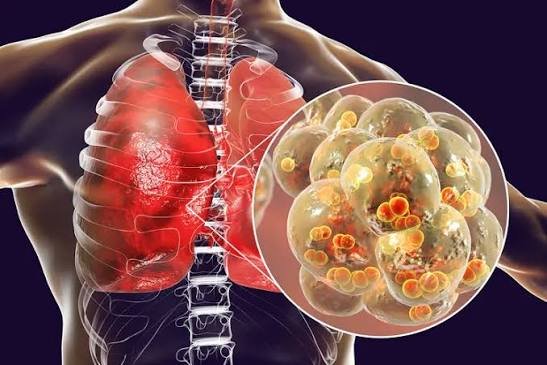
Recovering from a severe seasonal fever often leaves the body drained, but persistent heaviness or pressure in the chest is a symptom that deserves prompt attention. While lingering fatigue and strained breathing muscles frequently explain post-illness lethargy, chest heaviness can also indicate an underlying lower respiratory tract infection, including pneumonia or bronchitis.
Post-Viral Fatigue vs. Lower Respiratory Complications A routine viral infection—such as the flu, COVID-19, or seasonal viral fevers—often produces widespread inflammation, leaving behind mild muscle aches in the ribcage, general weakness, and shallow breathing that can mimic chest heaviness. However, if the chest discomfort is localized, accompanied by shortness of breath, or feels deep inside the lungs, it may signal that fluid or inflammatory exudate is accumulating in the alveoli (air sacs), pointing to a secondary bacterial or viral pneumonia.
Key Distinctions to Watch For
-
General Weakness: Chest tightness tends to feel muscular or fatigue-related, improving with rest, warm fluids, and light stretching. It typically decreases day by day as hydration and appetite return to normal.
-
Pneumonia Indicators: Heaviness is often accompanied by an inability to take a full, deep breath without discomfort or coughing. It may involve sharp chest pain on inhalation (pleuritic pain), productive cough bringing up discolored phlegm (yellow, green, or rust-tinted), and a return of low-grade fever or sudden night chills.
Red-Flag Symptoms Requiring Medical Evaluation If chest tightness is paired with any of the following warning signs, immediate medical evaluation and diagnostic imaging (such as a chest X-ray) are advised:
-
Resting oxygen saturation levels dropping below 95% on a pulse oximeter.
-
Persistent shortness of breath during routine movements, like walking across a room or speaking a full sentence.
-
Chest pain that radiates to the neck, jaw, shoulders, or back.
-
Sudden resurgence of high fever after an initial period of improvement.
-
Audible wheezing, whistling, or rattling sounds while exhaling or inhaling.
Diagnostic Steps and Treatment Path Clinicians evaluate post-fever chest heaviness using chest auscultation with a stethoscope, pulse oximetry, blood counts (CBC with CRP markers for active inflammation), and imaging when crackles or diminished breath sounds are noted. Early diagnosis ensures appropriate management—whether through targeted antibiotics for bacterial infections, bronchodilators, or supportive rest—preventing acute respiratory distress and ensuring complete recovery.