 World Connect News
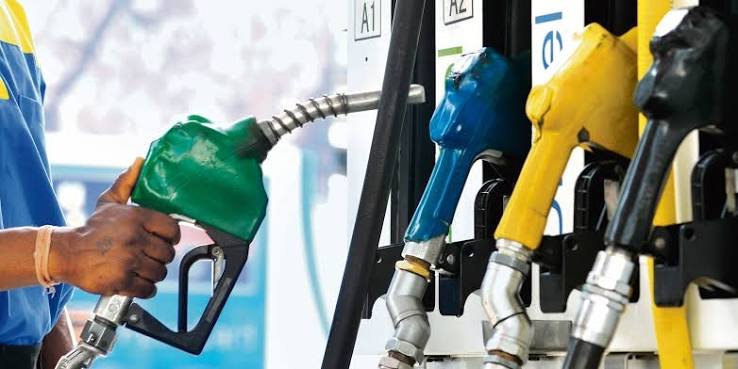
Fuel station operators across India and trade bodies, including the Chamber of Trade and Industry (CTI) and the All India Petroleum Dealers Association (AIPDA), have warned that petrol pumps could stop accepting UPI transactions exceeding ₹2,000. The pushback follows the notification of a revised Merchant Discount Rate (MDR) structure, prompting dealers operating on thin commissions to demand a complete waiver or face mounting operating losses.
Wafer-Thin Margins Threaten Pump Viability
Petroleum retail outlets operate on regulated, fixed commissions—typically ₹2.40 to ₹3.40 per litre—set by oil marketing companies (OMCs). Dealer bodies point out that these commissions have remained unrevised for years, even as operational expenses like electricity, wages, and regulatory compliance have escalated. Associations argue that because dealers cannot independently adjust the retail selling price of petrol or diesel, absorbing transaction processing fees on large bills could wipe out their operating margins.
High-Value Bills Make Charges Unavoidable
Refueling patterns mean petrol pumps handle disproportionately large bills compared to typical retail shops. Car tank refills frequently cross ₹3,000 to ₹5,000, while commercial truck diesel bills routinely top ₹10,000. While the government and NPCI designated fuel outlets for a concessional flat MDR of ₹5 per transaction above ₹2,000 rather than the standard 0.4% rate, dealer associations calculate that handling hundreds of daily high-value scans still imposes an additional daily loss of several hundred rupees per outlet.
Dealers Push for Total Digital Waiver
Warning that operators may put up boards stating “UPI payments above ₹2,000 not accepted,” trader federations have formally petitioned the Union Finance Ministry for a total exemption. Industry leaders emphasize that fuel is an essential commodity and that penalizing fuel pumps for processing high-value digital receipts risks derailing digital adoption and forcing drivers back to cash transactions at the pump.