 World Connect News
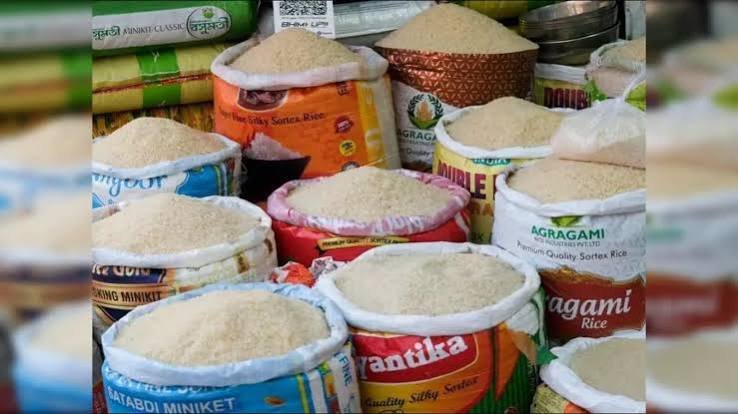
Escalating geopolitical instability in West Asia has dealt a blow to India’s agricultural outbound trade, limiting rice export growth to a marginal 2.17 percent during the April-August period of the financial year 2026-27. Valued at $4.81 billion, shipments from the world’s largest grain exporter faced severe logistical bottlenecks, sky-high maritime insurance costs, and disrupted shipping corridors across the Persian Gulf and Red Sea.
Maritime Logistics Under Strain Across Key Corridors The sluggish export numbers reflect deep maritime bottlenecks across vital trade arteries connecting western Indian ports to the Middle East. Commercial traffic through the Strait of Hormuz and the Bab el-Mandeb route remains heavily compromised due to persistent security threats, military standoffs, and regional drone strikes. Key Gulf docking facilities—including Dammam, Jebel Ali, Bahrain, Kuwait, Qatar, and Iraq—have experienced chronic delays, forcing cargo liners to divert vessels through roundabout courses or make detours via Oman’s Sohar and Muscat ports and the UAE’s Khor Fakkan.
Freight Rates Surge Up to 3,000% Dampening Gulf Demand The logistical crunch has triggered massive spikes in ocean freight tariffs and war-risk insurance premiums, which have surged between 1,000 percent and 3,000 percent on selective Middle Eastern lanes since early 2026. With shipping costs adding significantly to landed prices, traditional buyers in prime destinations such as Saudi Arabia, the UAE, Iran, and Iraq have shifted away from stockpiling reserves, opting instead for conservative hand-to-mouth procurement. In August 2026 alone, shipments stood at $0.91 billion, reflecting a muted 4.12 percent rise compared to the same month last year.
Basmati Millers Warn of Broader Trade Repercussions Industry representatives from the Basmati Rice Millers and Exporters Association have warned that if maritime tensions persist, the disruption could spill beyond the Gulf into European and global consumer markets. While India maintains an approximate 45 percent share in global grain trade across more than 140 nations, prolonged bottlenecks risk eroding competitive advantages against rival exporters such as Pakistan, Thailand, and Vietnam. Furthermore, unexecuted export consignments remaining within the country risk putting downward pressure on domestic mandi prices as the fresh kharif harvest approaches.