 World Connect News
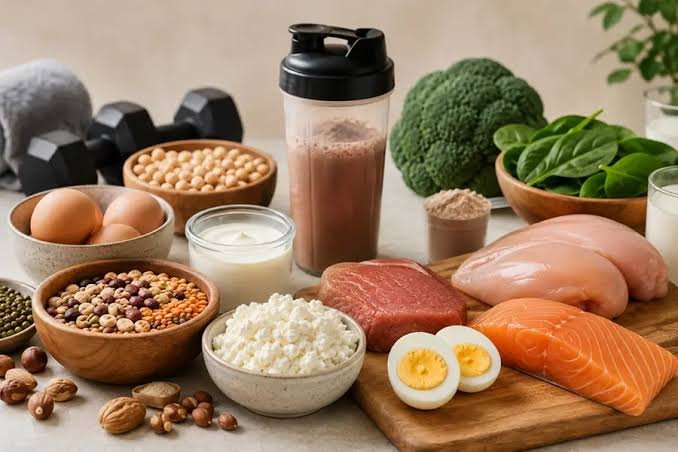
From gym-goers and fitness influencers to everyday office workers, India is undergoing an unprecedented protein obsession. Supermarket aisles are crowded with high-protein cookies, shakes, and chips, while whey supplements have moved into mainstream kitchen pantries. However, clinical nutritionists and physicians warn that the unchecked “more is better” mindset is fueling misconceptions, dietary imbalances, and potential health hazards.
The Shift from Chronic Deficiency to Protein Mania For years, public health research rightly identified India’s regular grain-heavy diets as deficient in essential amino acids. While educating the public about macronutrient balance was necessary, the marketing machine has swung to the opposite extreme. Consumers often view protein as a magical shortcut to weight loss and muscle building, disregarding overall caloric balance, essential micronutrients, dietary fiber, and healthy fats.
How Much Protein Do You Actually Need? According to guidelines from the Indian Council of Medical Research (ICMR) and the National Institute of Nutrition (NIN), a sedentary adult requires roughly 0.8 to 1.0 gram of protein per kilogram of ideal body weight per day. An average adult weighing 65 kg needs about 52 to 65 grams of daily protein—an amount easily achievable through well-planned meals featuring lentils, paneer, eggs, curd, soy, and chicken. While athletes and heavy strength trainers require higher intake (1.4 to 2.0 grams per kg), the average sedentary person often consumes far more than their metabolic capacity requires through fortified foods and concentrated protein powders.
The Hidden Risks of Excessive Protein Consumption Consuming protein well beyond physiological needs offers no additional metabolic or muscle-building advantage. Unused amino acids are either converted into glucose and stored as body fat or broken down into urea for excretion:
-
Renal and Hepatic Strain: Excess dietary nitrogen places an unnecessary filtration workload on the kidneys and liver. In individuals with borderline or undiagnosed chronic kidney disease (CKD), long-term high-protein diets accelerate renal function decline.
-
Gastrointestinal Distress and Lack of Fiber: Over-reliance on concentrated protein supplements often displaces dietary fiber, resulting in chronic constipation, bloating, and disruption of the gut microbiome.
-
Unregulated Additives and Heavy Metals: Commercial powders and processed “protein” bars frequently contain artificial sweeteners, emulsifiers, excessive sodium, and hidden sugars, with certain non-certified brands testing positive for heavy metal contaminants.
The Verdict: Whole Foods Over Powders Clinical experts emphasize that true nutritional vitality comes from whole food diversity rather than single-macronutrient obsession. Prioritizing diverse home-cooked staples—such as combining lentils with cereals for a complete amino acid profile, eating fermented dairy, eggs, fish, nuts, and seasonal vegetables—delivers protein alongside the micronutrients, enzymes, and fiber that isolated supplements cannot provide.